welcome to leizhan.

welcome to leizhan.
Waste Carton Recycling Line Manufacturer
A complete waste carton recycling and pulping production line is a complete industrial system that transforms mixed waste corrugated cardboard boxes into pure and stable recycled pulp. Its typical process flow mainly includes the following core steps.

From Waste Cartons to Quality Recycled Fiber
1. Raw Material Conveying and Metering: After being baled, waste cardboard boxes are metered and fed into the pulping system via a chain conveyor. The key is stable feeding to ensure a uniform supply of raw materials to subsequent equipment.
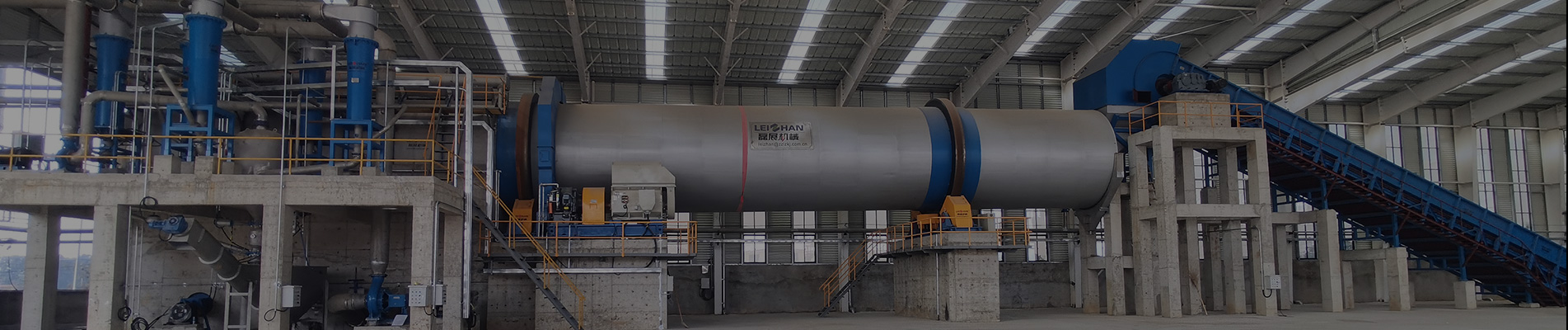
2. Pulping (Fiber Regeneration): This is the core process. Waste cardboard boxes are dispersed into a fiber suspension in a hydrapulper (commonly D-type or rotary drum type), with the concentration controlled at 3%–5%, operating continuously. Modern low-consistency pulping systems (such as PrimePulping LC) reduce fiber loss and efficiently remove impurities.
3. Screening and Slag Removal (Step-by-Step Purification): A multi-stage purification system is used: air separation/magnetic separation/infrared separation removes plastics and metals; a high density cleaner centrifuges separates heavy impurities such as sand and glass; coarse and fine screenings remove unpulverized paper scraps, plastic fragments, and adhesives step by step. Adhesives (stickies) are the most difficult to handle; modern high-efficiency screening systems (such as PrimeScreen X) can achieve high-precision separation with low power consumption.
4. Fiber Grading (Long-Short Fiber Separation): Fibers are separated into long-fiber pulp (providing strength) and short-fiber pulp (improving surface uniformity) using a fractionating screen. After low-consistency sand removal, fine screening, and multi-disc concentration, each pulp is stored in its respective pulping tower for later use.
5. Thermal Dispersion (Final Purification): Residual adhesives and hot melt adhesives are softened and dispersed through high-temperature, high-consistency treatment. The long-fiber pulp is then thermally dispersed and fed into a refiner for beating. Note: Some advanced OCC systems can omit the thermal dispersion step through optimized screening and purification while still meeting the quality requirements of high-grade linerboard. This has been successfully applied in several projects.
The supply of a complete pulping line typically includes pulping, cleaning, screening, thickening, and fiber dispersion systems. Each piece of equipment can be operated independently for upgrades or retrofits, or perfectly integrated into a complete system..
Our email: leizhanmachines@gmail.com